When you’re planning to invest in a metal structure—whether it’s a garage, workshop, barn, or home—one of the most important steps is choosing the right foundation. And in our years of experience as licensed contractors and metal building dealers, we’ve learned one thing for sure: a concrete slab foundation for metal building construction isn’t just a smart choice—it’s often the only choice if you want long-term durability, stability, and peace of mind.
In this article, we’ll break down why concrete slabs are ideal for metal buildings, when they might not be the best fit, and what mistakes to avoid. Let’s dive in.
What Is a Concrete Slab Foundation?
Basic Structure and Materials
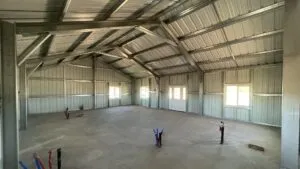
A concrete slab foundation for metal building projects typically involves pouring reinforced concrete directly onto prepared soil. It’s a thick, flat plate of concrete that acts as both the floor and the base of the structure. Common materials include:
- Reinforced concrete (with rebar or wire mesh)
- Vapor barriers
- Gravel or crushed stone for base stability
- Insulation (optional, but often recommended)
Types of Concrete Slabs Used in Metal Buildings
- Monolithic Slab: Poured all at once with thicker edges; great for small-to-medium buildings.
- Slab-on-Grade: Common for homes and shops. Poured level with the ground.
- Floating Slab: Used when deep frost lines are a concern. The slab is separate from the footing.
We often recommend slab-on-grade for most standard steel structures due to its cost-efficiency and performance.
Why Concrete Slabs Are Ideal for Metal Buildings
Strength and Load-Bearing Capacity
Metal buildings are engineered to be tough, but they still need a strong, level surface to rest on. A concrete slab foundation for metal building setups offers a high load-bearing capacity, meaning it can easily support the weight of your steel structure, equipment, vehicles, and more.
We had a client build a large storage garage on their property for heavy equipment. Without a solid slab, the risk of settling or uneven wear would’ve led to costly structural issues.
Moisture Protection and Durability
Concrete naturally resists moisture better than wood or dirt. When paired with vapor barriers and proper drainage, it protects your structure from mold, mildew, and water damage.
In Arizona, where we deal with big temperature swings and occasional monsoon flooding, this is especially important. In Arizona, there are plenty of storms during monsoon season, but thanks to a properly sloped slab, it can drain away from the structure.
Compatibility with Metal Building Anchoring Systems
Steel columns need strong, secure anchor points. Bolting them directly to a concrete slab foundation for metal building installs provides unmatched stability.
Our team has installed countless red iron and cold-formed buildings—every single one of them depended on accurate anchor bolt placement on a well-poured slab. Trust us, this foundation makes installation smoother and safer.
Cost Efficiency and Long-Term Value
Lower Maintenance Over Time
Wood framing can warp, twist, or rot. Gravel pads shift over time. But a well-poured slab? It stays solid for decades.
We’ve revisited metal buildings years later—most buildings are still in perfect condition, with the original slab holding strong. Maintenance costs were nearly zero.
Better Resale Value and Insurance Ratings
A home or commercial structure with a concrete slab foundation for metal building support often appraises higher. It also signals to insurers that your structure is less prone to damage, which may help lower premiums.
Common Mistakes to Avoid
Inadequate Soil Prep
You can have the best slab plans in the world, but if the ground isn’t compacted or leveled, you’re in trouble. Soil shifting leads to cracks and instability.
We have had clients try to save money by skipping compaction. Results? Uneven settling and a costly repair. Don’t make that mistake. Invest so it can last a lifetime.
Ignoring Drainage or Vapor Protection
Too often, builders skip vapor barriers or fail to grade the soil away from the foundation. This can lead to moisture damage underneath and inside the structure.
A $50 vapor barrier could save you thousands in repairs—always make sure it’s part of your slab install.
When a Concrete Slab Might Not Be the Best Fit
While ideal for most cases, there are situations where a slab might not work:
- Sloped terrain: May require extensive grading or a pier system.
- Flood-prone zones: May benefit from raised piers instead.
- Agricultural needs: Some farms need airflow underneath, making pier-and-beam preferable.
If you’re unsure, consult a local contractor who knows your region’s soil, climate, and codes.
Final Thoughts
Choosing a concrete slab foundation for metal building construction is one of the smartest long-term decisions you can make. It provides the strength, durability, and support that metal structures need—and it pays off in reduced maintenance, better resale value, and peace of mind.
Ready to break ground? We specialize in metal buildings and custom slab foundation work—reach out for a FREE quote or consultation today. Let’s build something that lasts.
References
- American Concrete Institute. “Concrete Floor Slabs on Grade Subjected to Heavy Loads.” ACI Committee 360. https://www.concrete.org
- Metal Building Manufacturers Association (MBMA). https://www.mbma.com