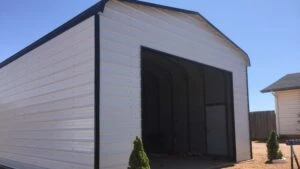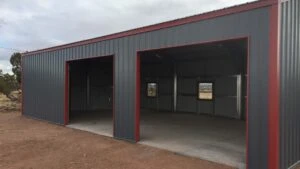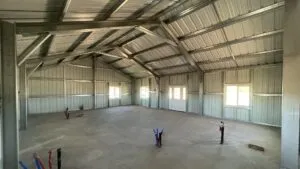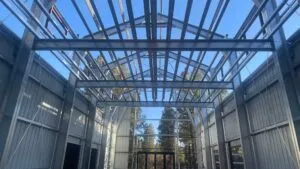
If you’re a homeowner, landowner, or investor in 2025, you’ve probably noticed the rising interest in metal shed storage buildings. Whether it’s for tools, equipment, side businesses, or even small living conversions, metal sheds are popping up everywhere across Arizona and beyond.
But with prices for most building materials continuing to go up, more people are asking one simple question:
“Are metal shed storage buildings actually worth the investment?”
As licensed contractors and metal building dealers who have put up countless metal sheds, we’ll tell you this upfront:
If you want something that lasts, stays straight, and doesn’t rot on you, metal sheds win almost every time.
Let’s break down exactly why.
What Exactly Are Metal Shed Storage Buildings?
Before we compare value and long-term ROI, it’s important to understand what a metal shed really is—and what makes it different from wood or vinyl options.
Steel Structure + Metal Panels
A typical metal shed includes:
- A galvanized steel frame
- Metal exterior sheeting
- Anchoring system (ground, concrete, or foundation pins)
- Optional insulation
- Optional roll-up or walk-in doors
The result is a structure that’s lightweight, durable, and built to withstand serious wear and tear.
The Big Difference: Strength
Unlike wood or vinyl sheds, which are prone to rot, termites, moisture, and warping, metal sheds stay stable and functional for decades—even in tough climates like high winds, snowfall, and monsoons.
Think of it like this:
A wood shed ages like a loaf of bread.
A metal shed ages like a refrigerator.
Why Metal Shed Storage Buildings Are So Popular in 2025
1. Extreme Durability in Harsh Weather
One of the biggest selling points of metal shed storage buildings is their ability to withstand extreme conditions.
We have clients with metal sheds that go season after season. Though the seasons are rough, the metal sheds can handle it. Metal doesn’t absorb moisture.
Metal doesn’t rot.
Metal doesn’t expand and contract with moisture.
Metal isn’t eaten by bugs.
If you live anywhere with weather—snow, heat, wind, storms—metal simply holds up better.
2. Low Maintenance (Practically Zero)
Wooden sheds need:
- Paint
- Repairs
- Patchwork
- Rot treatment
- Pest control
Every year.
Metal sheds need:
- Maybe a hose-off once in a while.
That’s it.
This is one of the biggest long-term savings factors most buyers overlook. The cost of owning a structure isn’t just the purchase price—it’s the maintenance cost over time.
When you add that up over 10–15 years, metal is dramatically cheaper.
3. Long-Term ROI: Metal Is Simply More Cost-Effective
Let’s talk investment.
In 2025, raw wood costs are still unstable, and many wooden shed manufacturers lowered their materials quality to keep prices competitive. That means:
- Cheaper wood
- Thinner panels
- Lower-quality floors
- Less structural support
Metal sheds, however, have stayed consistent in quality and often decreased in price thanks to improved steel manufacturing efficiencies.
Here’s the truth most homeowners eventually learn:
A wooden shed is a short-term purchase.
A metal shed is a long-term investment.
Even if a metal shed costs 10–20% more upfront, the longevity easily pays for itself.
4. Better Security for Tools, Equipment, and Vehicles
One of the biggest complaints we hear from homeowners who previously had wooden sheds is security.
Wooden panels can be kicked in.
Wooden doors can be pried open.
Windows are often flimsy.
Floors can soften as they rot.
Metal sheds are naturally more secure, and when paired with a reinforced steel door or roll-up door, they’re significantly harder to break into.
For investors storing equipment—or homeowners storing ATVs, lawn tractors, or valuable tools—this matters.
5. They’re Environmentally Friendly
Most people don’t think of metal shed storage buildings as eco-friendly, but consider this:
- Steel is fully recyclable.
- Many steel components today are made from already recycled metal.
- Metal structures last longer, reducing material waste.
- Optional insulation greatly increases energy efficiency if used as a workspace.
In 2025, sustainability matters more than ever—and metal sheds surprisingly check that box.
The Downsides of Metal Shed Buildings: When They Might Not Be Worth It
No building type is perfect, and metal sheds have a few potential drawbacks worth mentioning.
1. Condensation (If Not Ventilated Properly)
Metal and moisture can create condensation inside the structure. It’s not a deal-breaker, but you MUST:
- Add vents
- Install insulation (especially in humid environments)
- Use a vapor barrier on certain foundations
We always advise customers based on their climate and use case.
2. Basic Aesthetics (Unless Upgraded)
A simple metal shed looks like… well… a metal shed.
If your HOA is picky, or you want a shed that looks like a cottage or barn, metal needs a little help.
Thankfully, metal offers modern upgrades like:
- Color customization
- Wainscoting
- Vertical panels
- Wood-clad accents
- Faux timber wraps
So you can make it look sharp—just expect a small price increase.
3. Upfront Cost Can Be Higher Than Cheap Wooden Sheds
The keyword is cheap.
If you compare a structural-grade metal shed to a $799 wooden prefab kit from a big box store, yes—metal costs more.
But the cheap wooden shed will:
- Rot
- Warp
- Lean
- Break
- Need repairs
…long before a metal shed does.
This is truly a “buy nice or buy twice” situation.
What Do Metal Shed Storage Buildings Cost in 2025?
Pricing varies based on:
- Size
- Build quality
- Local codes
- Foundation type
But here are general price ranges:
Small (8×10)
$2,500 – $4,500
(depending on foundation and upgrades)
Medium (12×20)
$4,500 – $10,000
Large (20×30+)
$10,000 – $20,000+
Add-ons include:
- Concrete slab
- Roll-up doors
- Electrical
- Windows
- Extra framing
- Insulation
If you want accurate regional pricing, The Luna Crew can quote based on your county’s wind/snow loads and local regulations.
Hidden Costs Most Buyers Don’t Realize Exist
This is where being a contractor really helps folks. Most shed companies skip these details, but they matter:
- Site prep (grading, clearing, leveling)
- Foundation costs
- Permit fees
- Anchoring requirements
- Delivery distance
- Snow loads
We always walk customers through these up front so there are no surprises.
Are Metal Shed Storage Buildings a Good Investment for Homeowners?
In a word: yes.
Here’s why:
1. Increased Property Value
A sturdy metal shed is an asset, not a liability.
Appraisers look favorably on structures that:
- Are durable
- Are low-maintenance
- They are built on permanent foundations
- Meet local codes
A well-built metal shed increases utility AND resale value.
2. Lower Cost of Ownership
Cheaper repairs
Fewer replacements
Longer lifespan
The total cost over 20 years is significantly lower.
3. Versatile Uses
Homeowners use metal sheds for:
- Tool storage
- ATV or boat storage
- Workshops
- Home gyms
- Business storage
- Garden equipment
They’re long-term, multi-purpose structures.
Are Metal Sheds a Smart Investment for Investors & Landowners?
Absolutely.
Rental Potential
There are renters who rent out storage space at $50–$150 per month per unit.
Lower Liability
Metal structures are fire-resistant, weather-resistant, and structurally sound.
Protects Expensive Equipment
Landscaping equipment, construction tools, and vehicles last longer when stored properly.
For investors, metal sheds pay for themselves VERY quickly.
Final Thoughts: Are Metal Shed Storage Buildings Worth the Investment in 2025?
After years of building and replacing sheds of every type, we’ll say this:
Metal shed storage buildings are absolutely worth the investment—especially in 2025.
They last longer.
They require almost no maintenance.
They protect your valuables.
They offer a better ROI than wood or vinyl.
If you want something you don’t have to worry about for the next 20+ years, metal is the way to go. Design yours today using our Metal Building 3D Designer tool!
Ready to Build?
At The Luna Crew, we specialize in metal buildings and concrete foundations built to last. If you’re considering a metal shed for your home or investment property, we’d be happy to help you choose the right size, design, and foundation.