The construction industry is evolving faster than ever before. Whether you’re a new home builder or a beginner contractor, staying up to date with the latest future construction trends is critical if you want to stay competitive. As licensed contractors specializing in metal buildings and concrete foundations, we’ve seen firsthand how these trends are changing the way projects are planned, built, and completed. In this article, we’ll break down the most important future construction trends, so you can make informed decisions and take advantage of emerging opportunities.
Sustainable Construction and Eco-Friendly Materials
Growing Demand for Green Building Materials
One of the most significant future construction trends we’ve seen in recent years is the increased demand for sustainable, eco-friendly building materials. More and more, clients are looking for ways to reduce their environmental footprint, whether it’s through the use of recycled steel, recycled material, or low-emission concrete. Not only are these materials better for the planet, but they’re also becoming increasingly popular as building regulations tighten and green certifications like LEED become more valuable.
We’ve had clients request entire metal buildings since these are eco-friendly, and while that used to be a niche request, it’s becoming mainstream. If you’re a new contractor, offering green materials can give you a competitive edge, while beginner contractors should familiarize themselves with these products to stay ahead.
Energy-Efficient Building Designs
Energy-efficient homes aren’t just a trend—they’re the future. With utility costs on the rise and environmental concerns top of mind, more homeowners are demanding energy-efficient features like solar-ready roofs, advanced insulation, and passive heating and cooling systems. These features not only reduce energy bills but also increase the long-term value of the property.
For new contractors, offering energy-efficient design options can set your projects apart, and for existing contractors, understanding these systems will be essential moving forward to scale.
Prefabrication and Modular Construction
The Rise of Prefabricated Metal Buildings
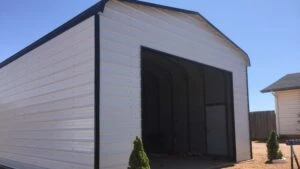
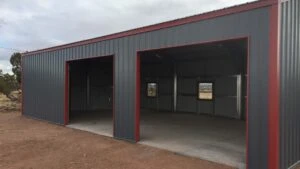
Prefabrication is no longer just for small projects. The process of building components off-site and assembling them on location is now common in large-scale construction projects, especially with metal buildings. Prefabricated metal garages and workshops are particularly popular because they save time and reduce waste.
From our perspective, this future construction trend is all about efficiency. If you’re a new home builder or contractor looking to save on labor costs and improve turnaround times, prefabricated metal buildings are definitely worth considering. However they are more expensive to have since they do save time.
Modular Construction for Faster Builds
Modular construction is similar to prefabrication, but with an even greater focus on speed and efficiency. Entire sections of buildings are constructed off-site and then transported to the job site, where they’re assembled. This process can drastically cut down on build times, which is a huge advantage when you’re working with tight deadlines or trying to scale up your business.
This future construction trend is gaining traction for multi-unit housing, commercial buildings, and even residential homes, making it a valuable tool for builders and contractors.
Smart Construction Technologies
The Impact of Automation and Robotics
Automation is transforming the construction industry. From robotic machinery that lays bricks to drones that conduct site inspections, these future construction trends are helping contractors work faster, safer, and more efficiently. Automation can reduce labor costs and improve precision, which is especially helpful when working with materials like metal and concrete.
For contractors just getting started or you are tech savvy, embracing these tools can set you apart and help you take on larger projects with fewer headaches.
The Use of Drones and 3D Mapping in Construction
Drones are becoming an essential tool in construction. They provide aerial views of job sites, helping contractors monitor progress and detect potential issues. Combined with 3D mapping software, drones can create highly accurate topographical maps, allowing for more precise planning and site preparation. This trend is quickly becoming more and more popular.
Advanced Building Materials and Techniques
Innovations in Concrete Foundations
Concrete remains a staple of the construction industry, but new innovations are making it more durable and sustainable. Self-healing concrete, which can repair cracks on its own, is a game-changer for longevity. Low-carbon concrete, which reduces the environmental impact, is also gaining traction as more builders look for greener options.
For home builders, investing in advanced foundation materials can boost the value and durability of your projects. For contractors, offering these cutting-edge solutions can help you stand out in a competitive market.
Metal Building Advancements
Metal buildings aren’t just popular because they’re durable—they’re becoming more advanced, with new coatings that prevent corrosion and stronger, lighter alloys. This makes them more versatile than ever before, whether you’re building a small garage or a large commercial facility.
One of our recent metal building projects involved using corrosion-resistant steel for a client near the coast, where salt air can wreak havoc on metal structures. Thanks to advancements in materials, the building will last longer with less maintenance. If you’re a contractor or builder, offering these newer metal materials can provide added value to your clients. Visit our 3D builder if you have considered investing in one and want to get a free estimate on what it would look like.
The Shift Toward Offsite Construction
Benefits of Offsite Fabrication
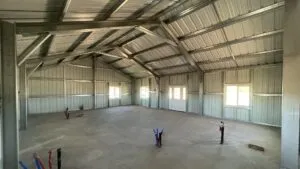
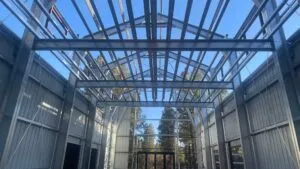
Offsite construction, where components are built in a factory and then assembled on-site, is gaining popularity for its efficiency. This method reduces waste, improves quality control, and cuts down on construction times.
We’ve found off-site fabrication particularly useful for metal buildings and concrete foundations. For new home builders and contractors, this trend can help streamline operations and improve profitability.
Real-World Applications in Metal and Concrete Construction
Offsite fabrication isn’t just for small structures—it’s being used for everything from skyscrapers to entire neighborhoods. In our experience, off-site methods work particularly well for metal building projects, where precision is key, and for concrete foundations that need to be poured quickly.
The Role of Building Information Modeling (BIM)
What is BIM and Why It’s Essential for the Future
Building Information Modeling (BIM) is a digital tool that allows contractors and builders to create 3D models of a project before construction begins. BIM helps improve collaboration, reduce errors, and streamline the entire construction process.
We’ve started using BIM on larger projects, and it’s been a game-changer in terms of reducing mistakes and improving communication with clients and subcontractors. For beginner contractors, learning BIM could be the key to taking on more complex projects and reducing costly errors.
Implementing BIM for New Home Builders and Contractors
BIM isn’t just for large firms—it’s increasingly accessible to smaller contractors and home builders. We recommend starting with basic BIM software to get familiar with the process. Over time, you’ll find it invaluable for planning, especially on complex jobs where precision is critical.
Labor Shortages and Training the Next Generation
Addressing the Skilled Labor Shortage
The construction industry is facing a skilled labor shortage, which is impacting project timelines and costs. Automation can help fill some of the gaps, but we also need to focus on training the next generation of workers. Finding talent can be very difficult, but people always stay with great leaders.
We’ve seen this shortage firsthand, and it’s becoming more challenging to find qualified labor. Contractors and home builders need to invest in training and upskilling their teams to stay competitive.
Attracting New Talent to Construction
One of the best ways to address the labor shortage is by attracting younger talent to the field. Offering mentorship programs, vocational training, and a clear path for career growth can make construction more appealing to the next generation. Also, showing them what success can look like and helping them achieve their goals.
Conclusion
The future of construction trends is full of exciting possibilities, from sustainable materials to advanced technologies like drones and BIM. Whether you’re a new home builder or a beginner contractor, staying ahead of these trends is crucial for long-term success. Embrace the changes, invest in the right tools, and you’ll be well-positioned to thrive in this rapidly evolving industry. And as always, we’re here to help guide you through every step of the way!